

April 1, 2026
The National Motorcyclists Council (NMC) and the Vintage Motor Cycle Club (VMCC) have published a keynote policy paper which brings to light the significance of the legacy and historic motorcycle sector.
The UK has significant motorcycling cultural heritage, with a long and proud history boasting over 125 years of invention, technical development and world record setting. The sector is of significant value. It was estimated in 2023 that there were 624,805 vintage and classic motorcycles (Loop report) which in 2020 had an estimated f leet value of nearly £1.2 billion (HERO-ERA report). This represents nearly 30% of the value of the combined classic car and motorcycle fleet at that time.
Government statistics reveal that of the total licenced motorcycle ‘parc’ of around 1.35 million machines in 2025, it is estimated that around 400,000 are older than 25 years – around 30% of all motorcycles in use.
Activity in the sector which includes, clubs, dealers, parts and accessory specialists, engineering and manufacturing businesses, plus tourism, the sport, museums, action houses and events, can be shown to contribute up to £1.6 billion to the UK economy per annum.
But despite the social, cultural and economic value of this vibrant sector, it faces rising regulatory and other pressures. These include security of legacy fuel supply, historic vehicle rules, plus manufacturing and engineering skills attrition in the sector - which is also an issue right across engineering in the UK. Also of concern is continued access rights to certain roads, fuel composition changes and poorly implemented environmental policies – among other issues.
The VMCC and NMC are calling for much better recognition of the sector and its social and economic value. They also urge the Government to continue to protect historic vehicle exemptions and to strengthen DVLA and MoT frameworks, through developing greater liaison between recognised experts within heritage organisations and the DVLA/DVSA.
There also a need for the Government to improve its own knowledge of the legacy and historic sector, including types of usage, its good safety and environmental record, its economic impact and its heritage value, so that public policy can be better informed. Government is also urged to engage the sector on areas relating to fuel security, plus environmental and noise regulation.
Additionally, strategies to tackle motorcycle theft also need a focus on tackling organised criminal activity directed towards stealing and disposing of high value legacy and heritage machines, both within the UK and also internationally.
VMCC President Roger Bibbings said: “To secure the sector’s future, coordinated action is needed across government, industry and civil society. In particular, Government action can protect heritage motorcycling while still meeting environmental and safety goals.
“With appropriate policy support, the sector can continue to thrive while making a minimal environmental impact. Targeted, well-designed derogations in future regulation will allow legacy and historic motorcycles to remain a living part of Britain’s cultural landscape for decades to come.”
The VMCC and NMC will maintain structured engagement with the Government and also with bodies representing the vintage and classic motorcycling community.
ENDS
1. For further information please contact Craig Carey-Clinch on craig@uknmc.org | 07979 757484.
2. The full document can be found here: https://cdn.prod.website-files.com/60364ce44148d168e4193d50/69b3de8290df0ec25d7814ee_Legacy%20and%20Heritage%20Motorcycling%20Full%20Paper%20HiRes.pdf
3. A summary version can be found here: https://cdn.prod.website-files.com/60364ce44148d168e4193d50/69b3def14be7ce94cc468f98_Legacy%20and%20Heritage%20Motorcycling%20Summary.pdf
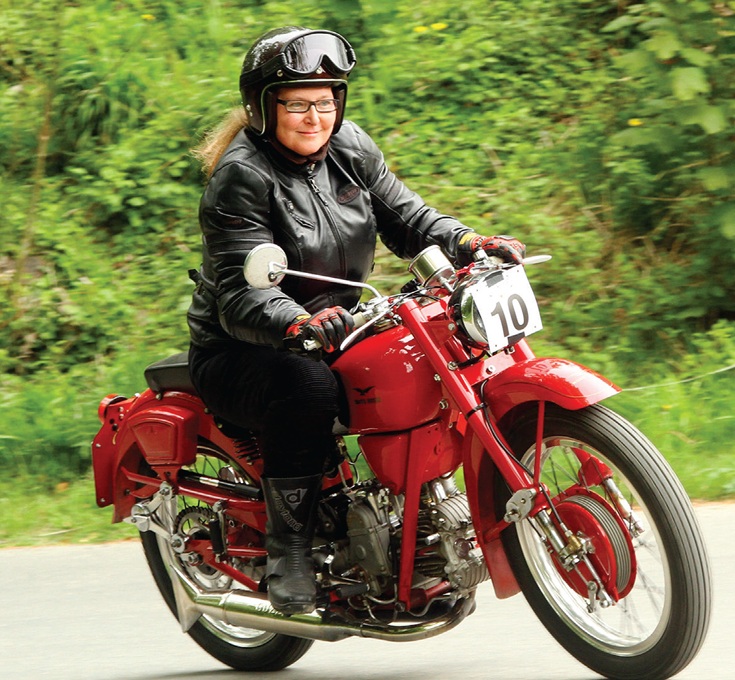
(Pic - VMCC)

